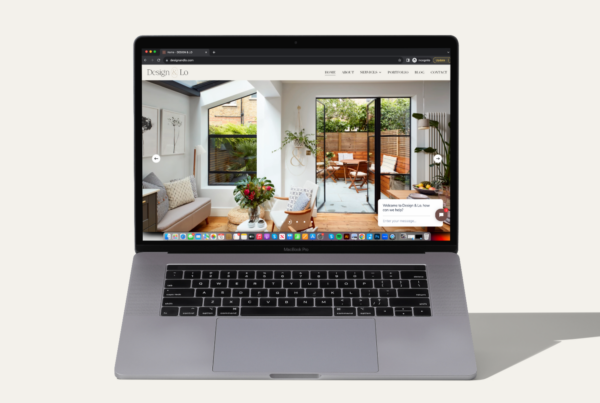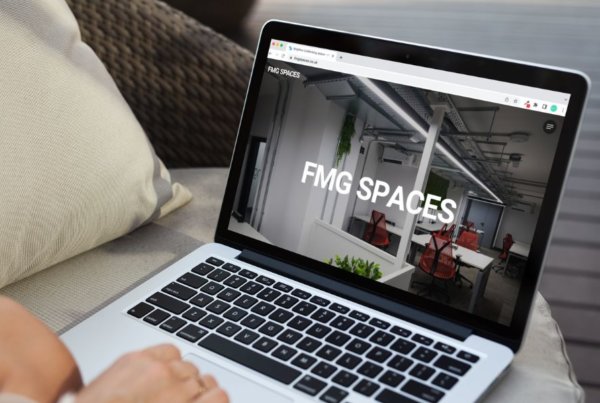
I’ve built websites for professional service firms across Sussex and the UK. Here’s what separates law firm websites that generate client enquiries from the ones that sit there doing nothing:
Professional, authoritative design. Your website needs to look as polished as your legal advice. Clean typography, restrained colour palettes, and high-quality photography communicate competence before a visitor reads a single word. Cheap-looking websites drive away high-value clients.
Clear practice area pages. Don’t make visitors guess what you do. Conveyancing, family law, wills and probate, commercial litigation, employment law, immigration, personal injury — each area should have its own dedicated page explaining your services, process, and what clients can expect.
Solicitor profiles that build connection. People hire people, not firms. Professional headshots, qualifications, specialisms, and approachable bios help potential clients feel comfortable reaching out. Include SRA registration numbers for transparency.
Fee transparency. The legal sector is under increasing pressure to be upfront about costs. Whether you offer fixed fees for conveyancing or hourly rates for litigation, displaying pricing information builds trust and pre-qualifies enquiries.
Client testimonials with proper consent. Social proof is powerful, but law firms must handle testimonials carefully. I design review sections that display genuine feedback while respecting client confidentiality and consent requirements.
Case studies and legal insights. Demonstrating your expertise through anonymised case studies and informative legal articles positions your firm as a thought leader. This also feeds your SEO strategy, helping you rank for practice-area-specific searches.
Enquiry forms and consultation booking. Make it as easy as possible for potential clients to take the next step. Contact forms, callback requests, and online consultation booking should be prominent on every page.
Every law firm website I build includes all of these elements as standard. Want to see what this looks like in practice? Check out the examples below.